Full Home Renovation Guide: What to Expect From Design to Final Build
A full home renovation is one of the most comprehensive ways to transform a residential property. For homeowners across Australia, it is often chosen when a house no longer supports modern living, whether due to outdated layouts, ageing infrastructure, or changing lifestyle needs.
Unlike smaller renovation projects, a full home renovation looks at the property as a complete system rather than a collection of individual rooms. This guide explains what a renovation involves, how the process typically unfolds, and what homeowners should expect from design through to the final build.
What’s Typically Included in a Full Home Renovation
A full home renovation usually covers a wide range of work across the entire property. By defining these elements early, the renovation can be delivered as a unified project rather than a series of disconnected upgrades.
While the exact scope varies, it commonly includes:
- Structural modifications, such as removing or altering internal walls
- Reconfiguring layouts to improve flow and usability
- Upgrading electrical, plumbing, and mechanical systems
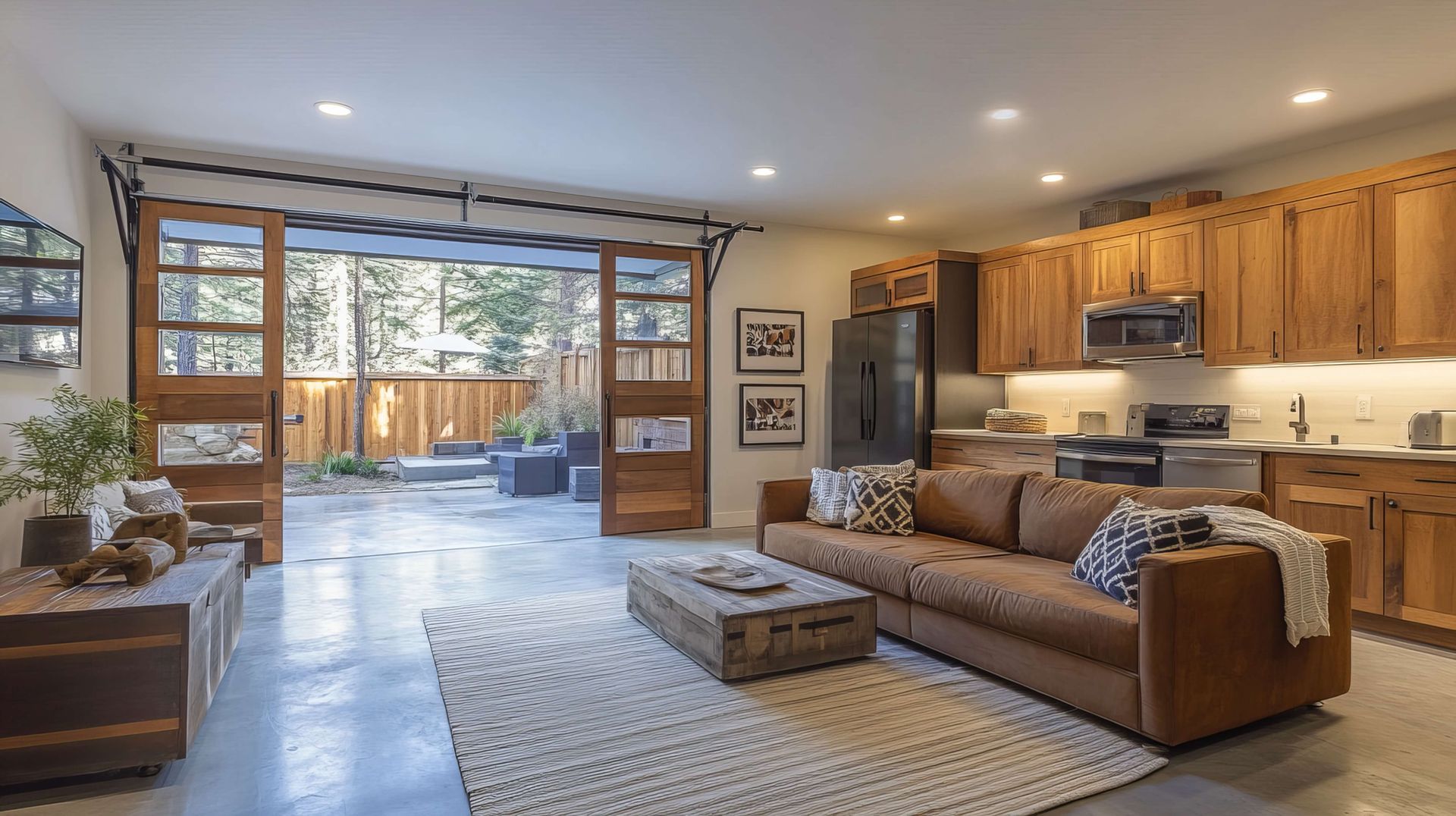
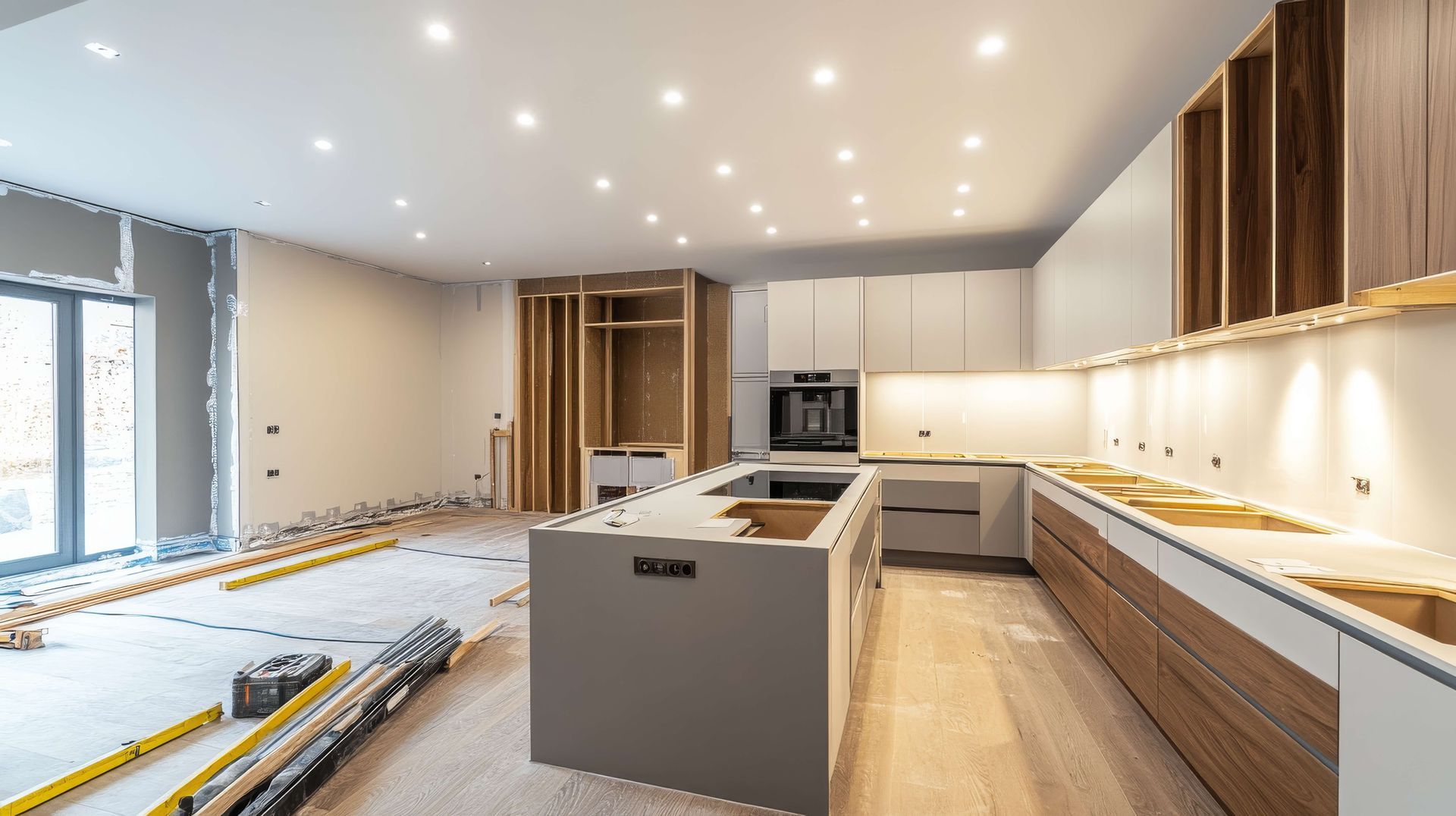
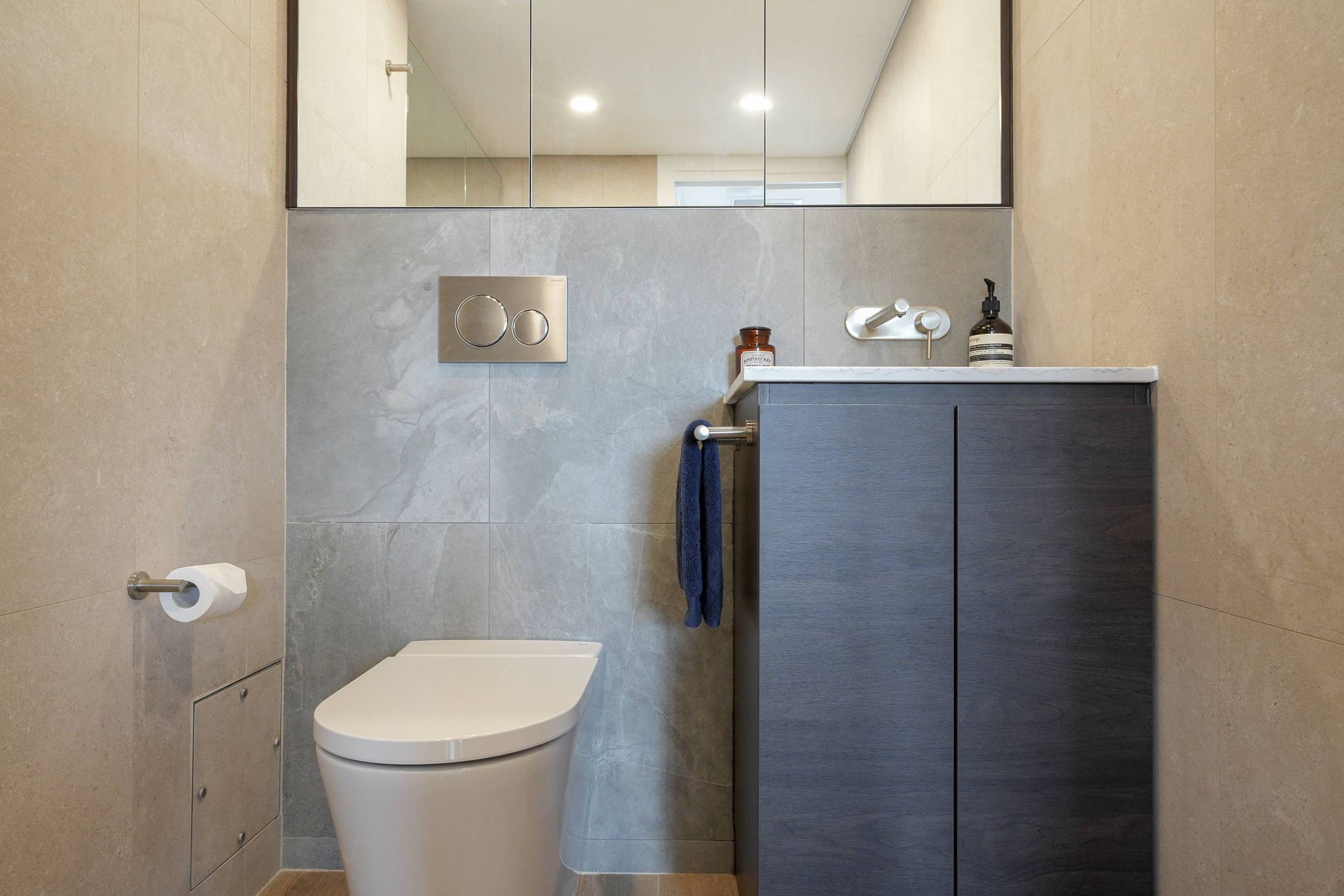
- Renovating kitchens, bathrooms, bedrooms, and living areas together
- Updating finishes, fixtures, insulation, windows, and doors
The Design Phase: Turning Ideas Into a Buildable Plan
The design phase is where vision and practicality come together. During this stage, homeowners work with professionals to translate ideas into layouts that can be realistically built within the existing structure. Design development considers space planning, functionality, and technical constraints while balancing aesthetics and long-term performance. A well-executed design phase helps reduce uncertainty later and creates a clear roadmap for the construction process.
Approvals, Regulations, and Preparation in Australia
Preparation and compliance play a critical role in full home renovations across Australia. Depending on the scope of work, approvals may be required before construction begins. Thorough preparation at this stage helps prevent delays and ensures the project can progress smoothly once construction begins.
This stage typically involves:
- Assessing planning and council requirements
- Preparing documentation for permits and approvals
- Ensuring designs comply with Australian Standards
- Finalising construction details before work starts
Common Mistakes to Avoid During a Full Home Renovation
Many renovation challenges can be avoided with proper planning. Common mistakes include starting without a clearly defined scope, making major changes during construction, or underestimating the level of disruption involved. Misaligned expectations between homeowners and contractors can also create stress and delays. Taking the time to plan thoroughly and communicate clearly helps reduce these risks and supports a smoother renovation experience.
Is a Full Home Renovation the Right Choice for Your Property?
Deciding whether to undertake a full home renovation is a significant decision that goes beyond aesthetics or short-term improvements. It requires homeowners to carefully consider how well their current property supports their lifestyle, both now and in the future. A full home renovation is often the right choice when a home has multiple limitations, such as an inefficient layout, outdated infrastructure, or spaces that no longer align with how the household lives day to day.
When you approach through a structured renovation process, such as the methodology applied by
Monument Projects,
the home is treated as a cohesive system rather than a series of isolated rooms. This level of transformation requires detailed planning and an acceptance of disruption, as construction phases often affect access, daily routines, and how the home can be occupied during the renovation period.
Frequently Asked Questions (FAQs)
How long does a full home renovation usually take?
A full home renovation typically spans several months due to the number of stages involved. The overall duration depends on the scope of work, approvals, and the complexity of the build.
Can you live in your home during a full renovation?
In some cases, it is possible, but it depends on safety and access. Many homeowners choose alternative living arrangements to minimise disruption during construction.
What’s the difference between a full renovation and a full gut renovation?
A full renovation updates most areas of the home, while a full gut renovation removes internal elements back to the structure before rebuilding. The latter is more extensive and suited to major changes.
Do older or heritage homes require a different renovation approach?
Yes, older and heritage homes often require specialised planning to address structural conditions, materials, and regulatory requirements while preserving their character.
How early should you involve builders or designers?
Involving professionals early helps identify constraints, refine plans, and reduce changes later in the project, leading to a smoother renovation process.
Contact Monument Projects to Discuss Your Renovation
If you’re considering a full home renovation and want professional guidance on how the process works, Monument Projects is available to help. Whether you’re in the early planning stages or ready to move forward, our team will provide clear insights, practical advice, and a structured path forward for your project.
Contact us
to start a conversation about your home renovation goals and take the next step with confidence.
Ready to work with Monument Projects?
Let's connect! We’re here to help.
Send us a message and we’ll be in touch.
Or give us a call today at (02) 8598-8594
Agency Contact Form
More Marketing Tips, Tricks & Tools
Monument Projects Blogs